
Law programs in India provide in-depth knowledge of legal principles, theories, and their real-world applications. These courses encompass various branches of law, including Constitutional Law, Criminal Law, Civil Law, Corporate Law, and International Law.
Currently, India has over 1,500 law colleges, out of which around 26 institutions are recognized as the top law colleges in the country. Among these, 11+ are government institutions, while 8+ are privately owned.
To pursue a law course, candidates must have completed their Class 12 or graduation from a recognized board or university, depending on the program (undergraduate or postgraduate). After completing their studies, graduates can explore diverse career opportunities in law firms, corporate houses, government departments, the judiciary, NGOs, and other legal sectors.
Top Law Colleges in India 2026 Admission Process and Fees
To secure admission to the top law colleges in India, candidates must first ensure they meet the prescribed eligibility criteria for their chosen program. The detailed eligibility requirements for law courses are as follows:
For Undergraduate (UG) courses, candidates must have passed the 12th standard or an equivalent examination from a recognized board.
For Postgraduate (PG) courses, candidates must have completed an LLB or an equivalent degree from a recognized university with a minimum aggregate of 50% marks.
Also Read:
Top 10 Best Engineering Colleges in kokrajhar 2026
Top Commerce Colleges In Mumbai For 11th And 12th Fee
Top Law Colleges in India 2026 Exam Schedule Fees
In addition to meeting the eligibility criteria, candidates must also qualify for specific entrance exams with marks equal to or above the required cut-off scores to gain admission into the leading law colleges across India.
Top 10 Law Colleges in India Entrance Exams:
CLAT (Common Law Admission Test)
CLAT is a national-level law entrance examination conducted by the Consortium of National Law Universities (NLUs). It serves as the primary gateway for admission to the five-year integrated LLB (UG) and one-year LLM (PG) programs offered by participating NLUs and other affiliated institutions across India.
Top 10 Law Colleges in India With Fees:
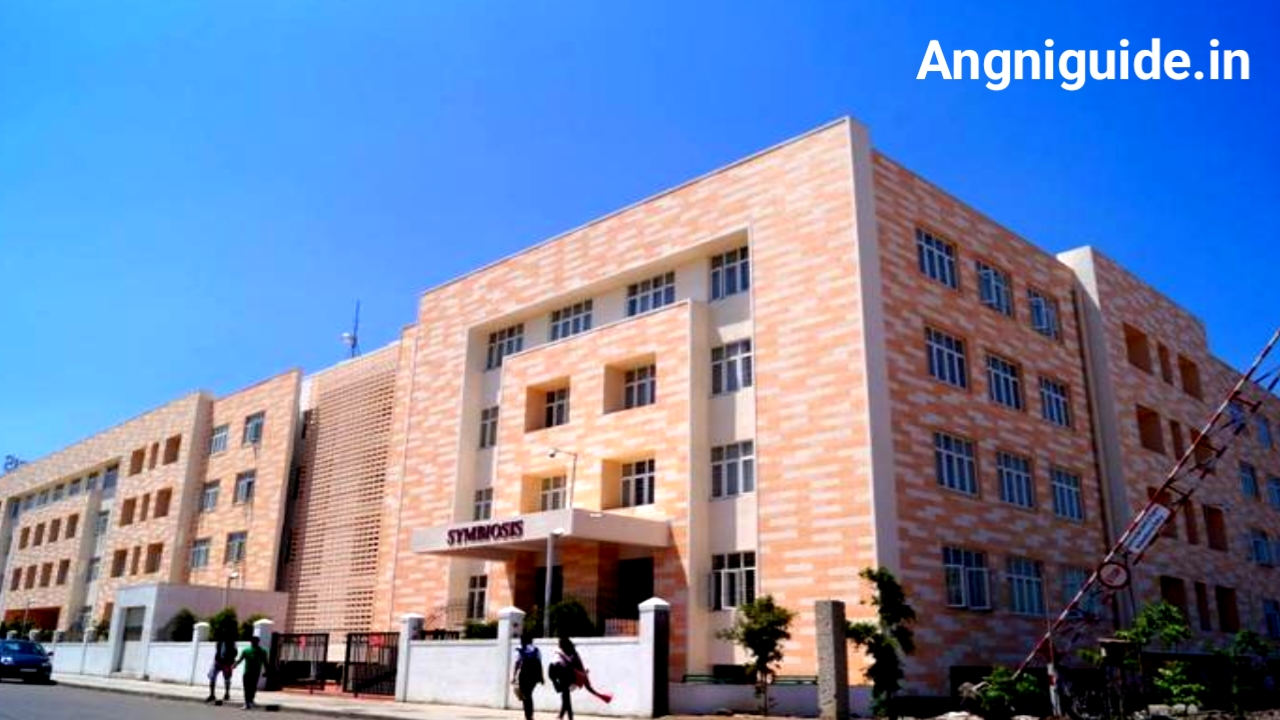
1. Symbiosis Law School, Symbiosis International University, Pune
Symbiosis Law School (SLS), Pune Established in 1977 in the heart of Pune, Symbiosis Law School (SLS), Pune was founded with the vision of creating one of the finest centers for legal education in India. Initially affiliated with the University of Pune, SLS Pune became a constituent of Symbiosis International University (SIU) in 2002, gaining greater autonomy in academic innovation, teaching, and research. As the flagship campus of SIU, it has earned a distinguished reputation as one of the top law colleges in Pune and across India.
SLS Pune embodies the true spirit of “Symbiosis”—living together for mutual benefit—and is renowned for its commitment to delivering quality legal education. The institute has consistently achieved excellence, ranking among India’s top 10 law schools in the India Today–Nielsen Survey (2013) and receiving the Gold Star Award from the Bar Council of India in the same year.
Over its four-decade journey, SLS Pune has achieved numerous milestones in teaching, learning, and research. It was the first law college in Pune to introduce evening law programs and a five-year integrated BA/BBA LLB (Hons.) course. Its innovative pedagogy and diverse course offerings, including BBA LLB, LLB, and LLM programs, distinguish it from other law schools in the region.
SLS Pune is also a core partner of the Erasmus Mundus consortium, a global network of leading law institutions. Additionally, it has been selected by the Ministry of Social Welfare, Government of India, to offer scholarships to SC and ST students. The school maintains strong collaborations with several prestigious national and international universities, enhancing global exposure and research opportunities for its students.
2. SOA University, Bhubaneswar
Siksha ‘O’ Anusandhan (SOA), located in Bhubaneswar, Odisha, is one of India’s leading higher education institutions. Declared a Deemed-to-be University under Section 3 of the UGC Act, 1956, SOA is widely recognized for its excellence in both education and research.
The university offers a comprehensive range of programs across diverse disciplines, including Engineering and Technology, Medical and Dental Sciences, Pharmaceutical Sciences, Biotechnology, Management, Nursing, Hospitality and Tourism Management, Legal Studies, Agricultural Sciences, Basic Sciences, and Humanities. All programs are duly approved and recognized by the respective statutory councils of India.
SOA has consistently upheld high academic standards, as reflected in its numerous national and international recognitions: Granted Category-II Graded Autonomy Status by the University Grants Commission (UGC), India. Reaccredited with an ‘A’ Grade by NAAC, achieving a score of 3.35 out of 4.00.
Ranked among the Top 25 institutions in India by the National Institutional Ranking Framework (NIRF), Government of India, for six consecutive years (2016–2021).
3. Saveetha Institute of Medical and Technical Sciences, Poonamallee
Dr. N. M. Veeraiyan is a visionary academician and educationist who laid the foundation of Saveetha Dental College & Hospital in 1988 with the ambition to establish a model dental institution in Chennai. His passion for advancing education and healthcare led to the subsequent founding of the Saveetha College of Nursing (1992), Saveetha College of Physiotherapy (1993), and Saveetha College of Occupational Therapy (1998). To extend his service to the broader field of education, he established Saveetha Engineering College in 2001, marking the institution’s foray into technical education.
Driven by a mission to deliver education of international standards, Dr. Veeraiyan continuously reformed academic curricula, modernized examination systems, and encouraged both students and faculty to engage in innovative research. This commitment culminated in the establishment of Saveetha University (now Saveetha Institute of Medical and Technical Sciences – SIMATS) in 2005, which was conferred the status of a deemed University. Over time, three more premier institutions joined the Saveetha family — Saveetha Medical College, Saveetha School of Management, and Saveetha School of Law.
Dr. Veeraiyan’s outstanding contributions to education have earned him numerous accolades. He is a Fellow of the International Pierre Fauchard Academy, a prestigious recognition in the field of dentistry. His proficiency in the Tamil language is reflected in his co-authorship of the Tamil book “Vaai Pal Maruthuvam,” for which he received an award from the Government of Tamil Nadu.
4. Alliance School of Law, Bengaluru
Alliance School of Law, Bangalore Established in 2010, Alliance School of Law is a premier institution affiliated with Alliance University, Bengaluru. The school is approved by the Bar Council of India (BCI) and is a proud member of the LSAC Global Law Alliance.
Alliance University houses several distinguished schools under its umbrella, including the Alliance College of Engineering and Design, Alliance Ascent College, Alliance School of Business, Alliance School of Economics, Alliance School of Film and Media Studies, Alliance School of Sciences, Alliance School of Design and Creative Arts, and the Alliance School of Liberal Arts.
Recognized for its academic excellence, the Alliance School of Law was ranked 18th in India under the Law category by NIRF 2022. The school maintains strong industry connections, with leading organizations such as Axis Bank, HDFC Bank, KPMG, Dukes, Nestlé, and several others regularly participating in campus recruitment drives. The institution offers a wide range of programs, including Undergraduate (UG), Postgraduate (PG), Doctoral (PhD), and Integrated Law courses, catering to diverse academic and professional interests.
In terms of global recognition, the Alliance School of Law received distinctions in the Digital Institutional Index and Smart Campus Rankings 2024 by Global University Rankings, London. Additionally, it secured the 1st position in the National Sustainability Impact Institution Ranking (NSIIR), awarded by AIC-RAISE under the Atal Innovation Mission — a testament to its commitment to sustainability, innovation, and academic excellence.
Also Read
Top 10 IIT Colleges In India Rank Wise, Admission Fee 2026
Sacred Groves And Forest Sanctuary In Meghalaya Tour
5. Lovely Professional University (LPU, Jalandhar
Lovely Professional University (LPU) is a private university established in 2005 in Jalandhar, Punjab. It has been ranked in the 901–950 band in the QS World University Rankings 2026. In the NIRF 2025 Rankings, LPU holds the 49th position in the ‘Overall’ category, 31st in the ‘University’ category, 40th among ‘Research Institutions’, and 44th in the ‘Management’ category.
LPU is approved by UGC, UGC-DEB, NCTE, PCI, BCI, COA, PSCAE, ITPI, and the Indian Association of Physiotherapists, and it is accredited by ACBSP, ICAR, and NAAC with an A++ grade.
The university offers undergraduate, postgraduate, diploma, and doctoral programs across various disciplines, including Engineering, Management, and other fields. It provides full-time, part-time, online, and distance learning options. Additionally, LPU Jalandhar is ranked 25th among the top universities in India by THE World University Rankings 2024.
6. National Law School of India University (NLSIU), Bengaluru
The National Law School of India University (NLSIU), established in 1986, was the first National Law University in India. Founded with the vision to reform legal education and drive the transformation of India’s legal system through research, policy initiatives, and innovation, NLSIU has been a pioneer in the field.
In 1988, NLSIU became the first institution in the country to introduce the five-year integrated law degree program at the undergraduate level. For over 35 years, it has maintained its position as a leader in legal education, thanks to its strong partnerships with the legal fraternity, judiciary, academia, and the Government of Karnataka.
The University was established under the National Law School of India Act (Karnataka Act 22 of 1986), officially notified in the Gazette on August 29, 1987. This Act grants NLSIU complete academic and administrative autonomy, and the University is located on the Bengaluru University campus. It serves as the foundational legal framework governing all aspects of the institution.
At NLSIU, the Chief Justice of India serves as the Chancellor, while the Chairman of the Bar Council of India chairs the General Council. The University’s governing bodies include representatives from the Bar Council of India, the Judiciary, the Government of Karnataka, and the University’s own faculty.
7. National Law University (NLU), Delhi
National Law University Delhi (NLU Delhi) is a state-level university established in 2008, located in the heart of Delhi. The university is approved by the UGC and the Bar Council of India (BCI) and is accredited by NAAC with an ‘A’ grade, along with recognition from ACBSP and ICAR. NLU Delhi is also a member of the Association of Indian Universities (AIU) and stands among the top National Law Universities (NLUs) in the country.
NLU Delhi offers a range of programs, including BA LLB (Hons), LLM, PhD, and Joint Masters/LLM, along with Diploma and Bridge Courses in various specialisations. Admissions are conducted through the university’s own entrance exam, the All India Law Entrance Test (AILET). For reference, the last-round cutoff for the BA LLB (Hons) program in AILET 2024 for General category students was 71 marks.
The university also runs student exchange programs, providing opportunities for students to study law at international partner universities. NLU Delhi is known for its highly qualified and experienced faculty and has been ranked 2nd in India in the ‘Law’ category by the NIRF 2025 Rankings.
To support its students, NLU Delhi offers various scholarships and financial aid schemes for meritorious candidates, ensuring that financial constraints do not hinder academic pursuits. The university also provides robust placement support, with a median package of INR 14 LPA for undergraduate (5-year) programs and INR 12 LPA for postgraduate (1-year) programs.
8. NALSAR University of Law, Hyderabad
The National Academy of Legal Studies and Research (NALSAR), established in 1998, is located in Secunderabad, Hyderabad. The university is recognized by the University Grants Commission (UGC) and has been accredited with an ‘A’ grade by NAAC. In the NIRF Rankings, NALSAR holds the 3rd position in the Law category, reaffirming its status as one of India’s premier legal institutions.
NALSAR offers a wide range of full-time undergraduate, postgraduate, doctoral, and diploma programs across various disciplines in Law and Management. Additionally, the university provides part-time courses through the NALSAR Directorate of Distance Education.
The full-time academic programs are conducted through nine specialized centres, including the Centre for Constitutional Law, Centre for Family Laws, Centre for Legal Philosophy, and several others, promoting focused research and interdisciplinary learning.
9. West Bengal National University of Juridical Sciences (NUJS), Kolkata
The West Bengal National University of Juridical Sciences (WBNUJS) was established under the WBNUJS Act, 1999 (West Bengal Act IX of 1999), enacted by the West Bengal Legislature in July 1999. The university was officially notified under Clause (f) of Section 2 of the UGC Act, 1956, in August 2004, and subsequently received permanent affiliation from the Bar Council of India (BCI) in July 2005.
Academic sessions at WBNUJS began in 2000, with initial classes conducted at Aranya Bhavan, which also houses the Environment Ministry of the Government of West Bengal. During this period, the first batches of students were accommodated in government flats. The university’s permanent campus was formally inaugurated on 28 October 2002 by the then Chief Justice of India, B. N. Kirpal.
10. Dr. Ram Manohar Lohiya National Law University (RMLNLU), Lucknow
The year 1987 marked a turning point in the perception of law as a career, transforming it from one of the least preferred professions into one of the most prestigious, following the establishment of the National Law School of India University, Bangalore. This period brought renewed optimism to the legal community, as the idea of creating a national institution that could serve as a model and testing ground for innovations in legal education was proposed to the Bar Council of India, in line with its statutory mandate to uphold professional legal education standards under the Advocates Act.
In continuation of this vision, the Dr. Ram Manohar Lohiya National Law University (RMLNLU) was established by the Government of Uttar Pradesh under the U.P. Act No. 28 of 2005 and formally came into existence on January 4, 2006. The university was founded to address emerging challenges in the legal field and to carry forward the transformative vision initiated by the establishment of the first National Law School in the country.