
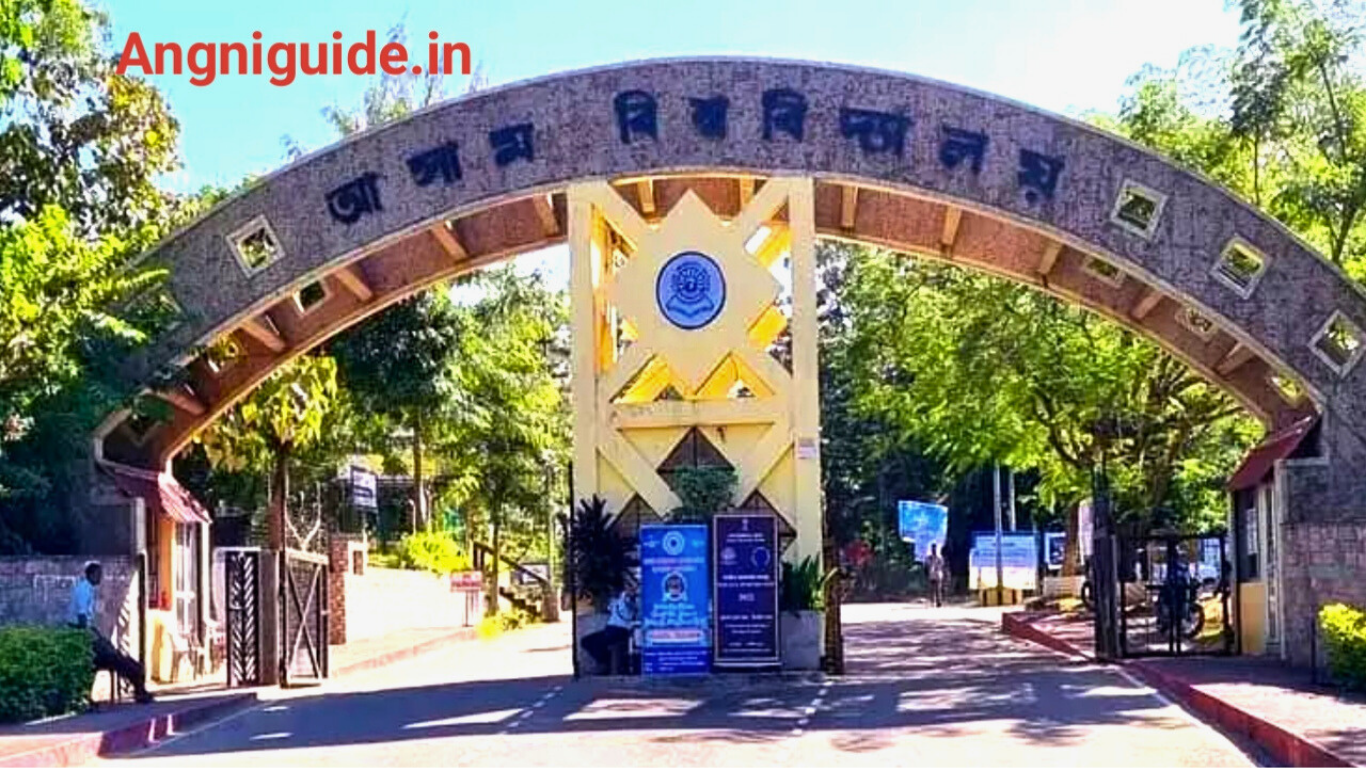
Central Universities are higher education institutions in India established and funded by the Government of India through an Act of Parliament. They are regulated by the University Grants Commission (UGC) and play a crucial role in maintaining high academic standards and promoting inclusive education across the country.
There are more than 40 Central Universities in India, spread across various states and union territories. These universities offer undergraduate, postgraduate, and doctoral programmes in diverse disciplines such as science, technology, humanities, social sciences, and management.
Admissions to most Central Universities are conducted through the Central University Entrance Test (CUET), managed by the National Testing Agency (NTA), ensuring a transparent and uniform selection process.
Central Universities are known for their strong emphasis on research, innovation, and holistic education, contributing significantly to India’s socio-economic and cultural development while providing equal opportunities to students nationwide.
Central University in Assam
Assam, a key educational hub in Northeast India, is home to prominent Central Universities that offer diverse academic opportunities and promote regional as well as national development through quality higher education.
The Central Universities in Assam include Tezpur University and Assam University (Silchar). Both universities admit students mainly through the CUET (Central University Entrance Test) conducted by the NTA. These institutions are instrumental in expanding access to higher education in the Northeast and play a vital role in nurturing innovation, inclusivity, and sustainable development in Assam.
Also Read:
Top Law Colleges In India 2026 Fees Cut Off
Top Law Colleges In India 2026 Fees Cut Off
1. Assam University
Established in 1994 under the Assam (Central) University Act, 1989, Assam University has evolved into a leading centre of higher education in Northeast India. The main campus at Dargakona, situated about 20 km from Silchar, spans over 600 acres of picturesque hillocks, lakes, and greenery—providing an ideal setting for academic and research activities.
The University boasts a distinguished faculty of over 230 members from across the country and encourages a multidisciplinary approach to learning. It comprises 16 Schools and 35 Departments, offering programmes across a wide range of academic disciplines.
Located in South Assam’s Barak Valley, which borders Bangladesh, Mizoram, Manipur, Meghalaya, and Nagaland, the University thrives in a region known for its rich cultural, literary, and educational traditions. With 53 affiliated colleges under its jurisdiction, Assam University continues to uphold and promote the region’s enduring legacy of knowledge and intellectual excellence.
2. Tezpur University
Tezpur University was established in 1994 by an Act of Parliament as a teaching and residential Central University to promote education, research, and human resource development for the progress of the state, region, and nation. Situated on a 262-acre campus in Tezpur, Assam, the University comprises 21 departments and 12 Centres/Cells offering around 70 academic programmes under four Schools of Studies — Engineering, Humanities and Social Sciences, Management Sciences, and Sciences.
The University hosts over 3,700 students, 260 faculty members, and 270 technical and administrative staff. Admissions are conducted through national-level examinations such as JEE, MAT, CAT, GATE, CEEB, and TUEE. Tezpur University offers a fully ICT-enabled campus, a Central Library with e-resources, a 62-room guesthouse, training and placement support, and international collaborations with universities in the UK, Germany, the Netherlands, and Finland. The University received the President’s “Best University” Award in 2016, an “A” grade from NAAC, and high global and national rankings, including 5th position in the MHRD-NIRF 2016 rankings.
Top Universities in India: Admission and Fee 2025
Eligibility Criteria:
To secure admission to undergraduate programmes at India’s top universities, candidates must meet the following general eligibility requirements:
Educational Qualification: Applicants must have passed Class 12 or its equivalent from a recognised board.
Minimum Marks:
General Category: A minimum of 50% marks in Class 12.
SC/ST Category: A minimum of 45% marks in Class 12.
These criteria apply to candidates appearing for CUET 2025 (Central University Entrance Test).
Disclaimer: The eligibility criteria mentioned above are based on information available on the official websites of respective universities and may vary from institution to institution.
Top Universities in India: Exam Schedule 2026
For admission to leading universities across India, candidates are required to qualify through one or more of the following national-level entrance exams:
1. CUET (Central University Entrance Test)
Conducted by: National Testing Agency (NTA)
Purpose: Admission to undergraduate programmes in participating Central and other universities.
Mode of Exam: Computer-based test (CBT)
Duration: 2 hours
2. ICAR AIEEA (Indian Council of Agricultural Research – All India Entrance Examination for Admission)
Conducted by: NTA
Purpose: Admission to Bachelor’s degree programmes in Agriculture and Allied Sciences (excluding Veterinary Sciences).
Seat Allocation: Applicable to 15–20% of seats at Agricultural Universities across India.
3. CUET-PG (Central University Entrance Test – Postgraduate)
Conducted by: NTA
Purpose:
Admission to postgraduate programmes offered by Central and participating universities.
Highlights:
Provides a common platform and equal opportunity for students nationwide to gain admission to India’s top postgraduate institutions.
Also Read:
Top 10 Best Engineering Colleges in kokrajhar 2026
Benefits of Studying in a Central University in India
Studying in a Central University in India offers numerous benefits. These universities are established by an Act of Parliament and funded by the central government, ensuring high academic standards and well-developed infrastructure. They attract students and faculty from across the country, creating a diverse and inclusive environment that promotes cultural exchange and national integration. Central Universities also have highly qualified professors, strong research facilities, and collaborations with reputed institutions in India and abroad.
The curriculum is regularly updated to meet global standards, providing students with a competitive edge. Affordable tuition fees, scholarships, and hostel facilities make education accessible to all sections of society. Moreover, the exposure to national-level competitions, seminars, and internships enhances employability and personal growth. Overall, studying in a Central University provides academic excellence, cultural enrichment, and holistic development for students aspiring for a bright future.