
The QS World University Rankings: Asia 2026 highlight a remarkable surge in Indian university participation. In 2016, only 24 Indian universities were featured; today, that number has grown to 294 institutions — a twelvefold increase in just a decade.
With this expansion, India now ranks as the second-largest contributor to the list, behind China’s 395 institutions. This rapid growth underscores both the expanding capacity and the improving quality standards of India’s higher education sector.
Top Performers: IITs and Premier Institutions Lead the Way
Among the top 100 universities in Asia, the Indian Institutes of Technology (IITs) continue to dominate.
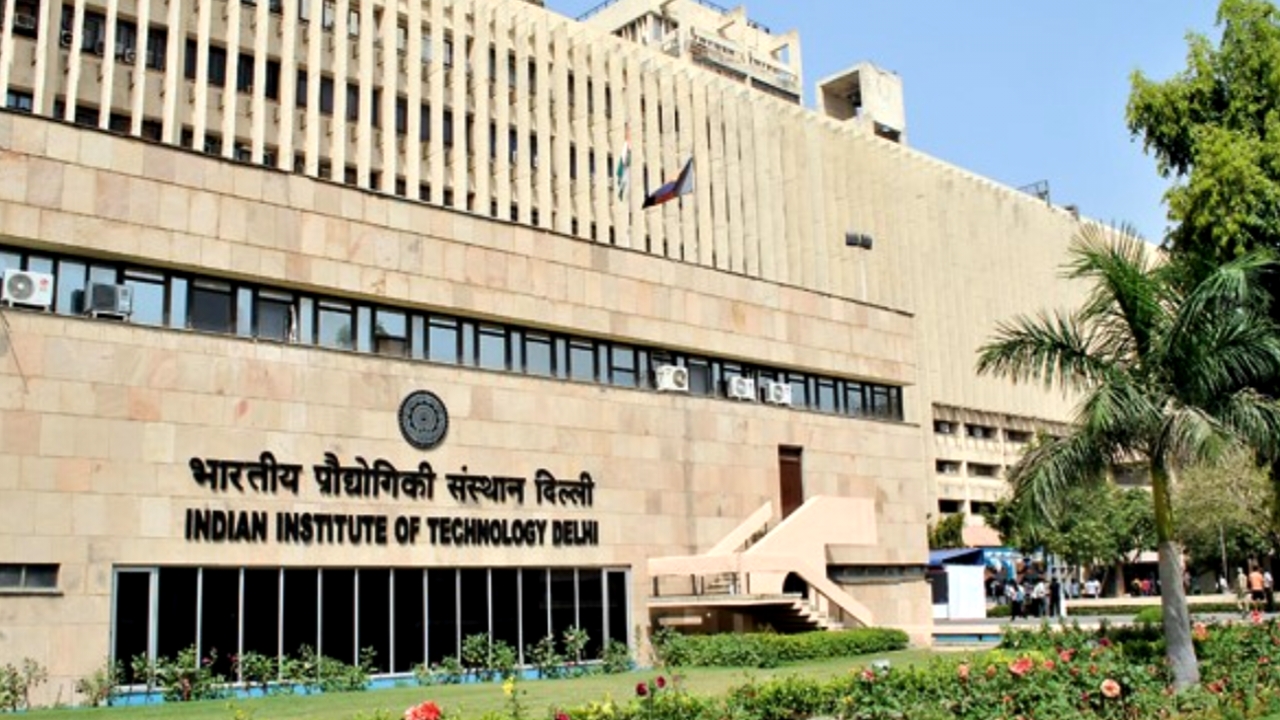
IIT Delhi emerged as India’s highest-ranked institution, securing the 59th position in Asia and maintaining its status as the nation’s top university for the fifth consecutive year. This achievement reinforces IIT Delhi’s dedication to academic excellence and research innovation.
Joining IIT Delhi in the top 100 are four other IITs, the Indian Institute of Science (IISc) Bengaluru, and Delhi University (DU) — all recognized for their significant contributions to research, innovation, and talent development.
This year, 36 Indian universities improved their rankings, with the Sathyabama Institute of Science and Technology showing the most progress, jumping 111 places to 262nd.
Also Read:
Realme UI 7.0 launched in India: rollout timeline, supported devices, and top features
Apple iPhone 18 Pro Rumored to Replace Cosmic Orange with fresh, on-trend Color Options
India’s Research Output: Rising Strength in Academic Productivity
A key highlight of the 2026 QS Rankings is India’s performance in the “Papers per Faculty” indicator, which measures research productivity relative to faculty size.
India excelled in this metric, with:
- 5 universities ranked among Asia’s top 10, and
- 28 universities featured among the top 50.
This demonstrates the growing emphasis on research and innovation across Indian universities, as faculty members increasingly contribute scholarly work addressing both local and global challenges.
Government Measures to Boost Global Rankings
The Indian government has introduced several initiatives to elevate universities’ global competitiveness:
- Increased Funding and Autonomy: Through the Institutions of Eminence (IoE) scheme, top public universities receive up to 1,000 crore over five years to enhance research, recruit global faculty, and foster international collaborations.
- Graded Autonomy: Implemented by the UGC in 2018, this policy grants greater academic, administrative, and financial freedom to high-performing institutions.
- Focus on Research and Innovation: The National Research Foundation (NRF), with a ₹50,000 crore budget over five years, aims to strengthen India’s research ecosystem.
- Faculty Development Programs: Initiatives like Faculty Development Centres (FDCs) and Faculty Recharge Programs enhance teaching quality and research capabilities.
- International Collaborations: Programs such as Study in India, GIAN, and bilateral partnerships expand India’s academic reach and improve international research networks.
- Infrastructure Development: The Higher Education Financing Agency (HEFA) funds the modernization of campus facilities and research infrastructure.
- Quality Assurance: The NAAC has revamped its accreditation framework to align with global standards, driving institutions to adopt best practices in quality assurance.
Transformative Initiatives Driving Educational Excellence
India’s steady improvement in the QS Asia Rankings is supported by several transformative national initiatives:
- National Education Policy (NEP) 2020: Aiming to make education holistic, flexible, and multidisciplinary, the NEP envisions increasing the Gross Enrollment Ratio (GER) in higher education to 50% by 2035. The policy’s focus on research, autonomy, and innovation is already yielding results in university rankings.
- Institutions of Eminence (IoE): Launched in 2017, the IoE scheme empowers select universities with resources and flexibility to achieve world-class status.
- Rashtriya Uchchatar Shiksha Abhiyan (RUSA): Initiated in 2013, RUSA strengthens access, equity, and quality across state universities, reducing regional disparities.
- SWAYAM Platform: This MOOC platform democratizes access to quality education through free online courses offered by top Indian institutions.
Also Read:
OPPO Launches Find X9 and Find X9 Pro Featuring Hasselblad Cameras and a Massive 7,500mAh Battery
Domestic Frameworks Supporting University Excellence
India has also built robust domestic systems to monitor and enhance higher education quality:
- National Institutional Ranking Framework (NIRF): Introduced in 2015, NIRF ranks Indian institutions across various parameters, fostering competition and continuous improvement.
- All India Survey on Higher Education (AISHE): Operational since 2010–11, AISHE provides data-driven insights on enrollment, faculty, finance, and infrastructure — enabling evidence-based policy decisions.
Conclusion
The QS World University Rankings: Asia 2026 mark a significant milestone for India’s academic community. With seven Indian institutes featured among Asia’s top 100, led by IIT Delhi, the results reflect the effectiveness of reforms and investments in higher education over the past decade. The rise from 24 to 294 ranked institutions highlights not only quantitative growth but also substantial improvements in quality.
Government initiatives—such as enhanced funding, graded autonomy, promotion of research, and international collaborations—have created an environment that enables institutions to elevate their global standing. As IITs, Delhi University, and other premier institutions continue to strengthen research output, teaching quality, and international engagement, India’s position in global rankings is expected to improve further.
With sustained policy support, strategic investment, and a focus on academic excellence, Indian universities are poised to emerge as leaders in higher education, contributing significantly to the country’s knowledge economy and global competitiveness. While the journey toward academic distinction continues, the 2026 rankings affirm that Indian higher education is on a strong upward trajectory, generating opportunities for students and supporting national development.